Send us a text
We usually respond via text within a few minutes.
Send us a text
We usually respond via text within a few minutes.
At the heart of water-wise landscaping lies the principle of maximizing water efficiency. This approach not only helps in conserving water but also reduces maintenance efforts and costs associated with traditional landscaping practices. The journey to a sustainable landscape begins with careful planning. Understanding the specific climate, soil type, and available water resources of your area is crucial. This knowledge allows for the proper selection of native and drought-resistant plants which are naturally adapted to the local environment and require minimal water.
One of the central techniques in water-wise landscaping is xeriscaping. Xeriscaping involves the strategic use of plants that need little to no irrigation once established. Native plants are an excellent choice as they are inherently equipped to handle local weather conditions. Additionally, plant groupings based on similar water needs can further streamline watering efforts. For example, cacti and succulents are excellent choices for dry areas, providing both aesthetic beauty and resilience.
Effective irrigation systems are another pillar of sustainable hydration practices. Drip irrigation and soaker hoses are preferred in water-saving landscapes. These systems deliver water directly to the plant roots, minimizing evaporation and runoff. Such methods not only conserve water but also ensure that plants receive the precise amount of hydration they need, promoting healthier growth.
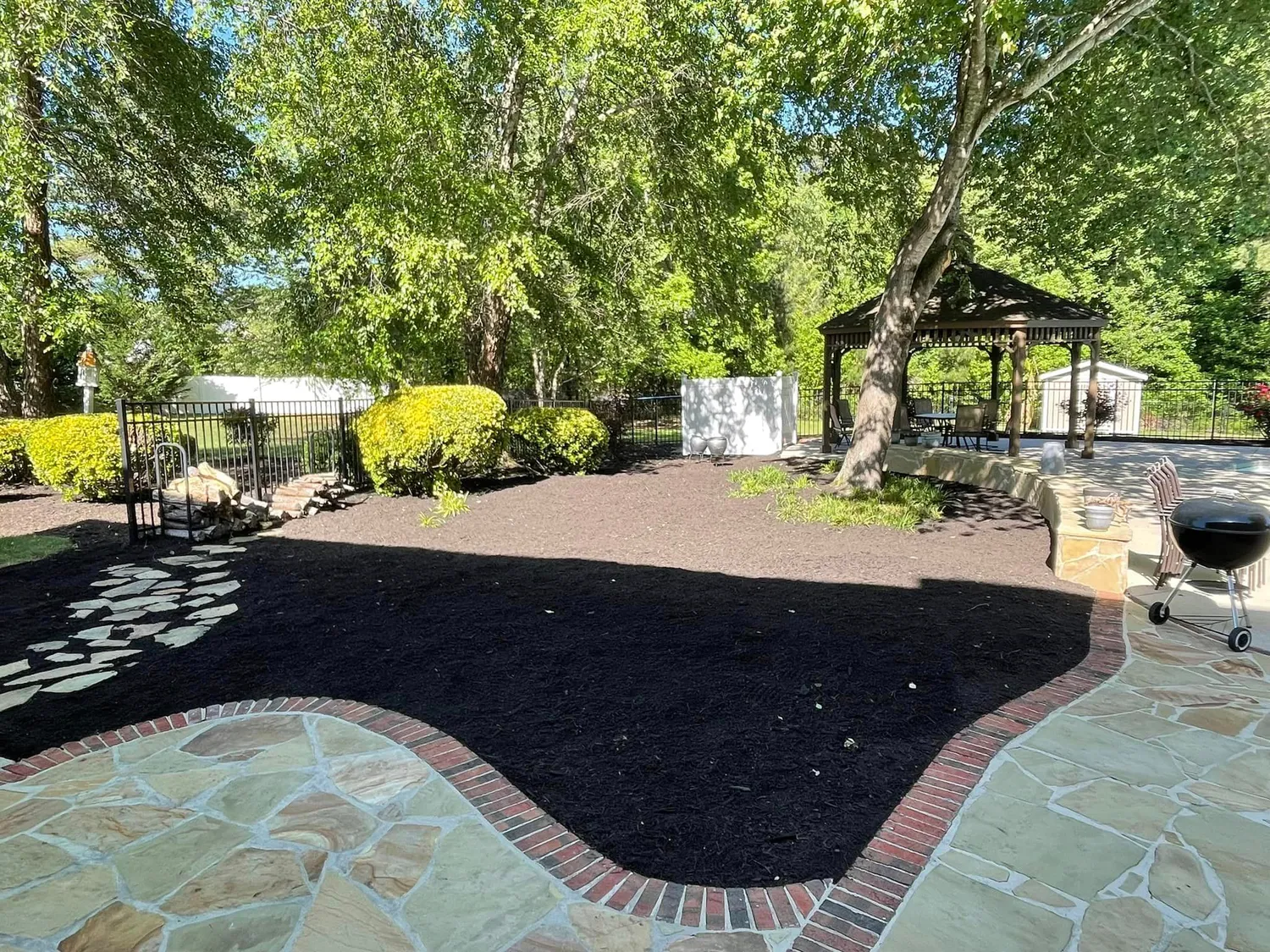
Mulching is a simple yet effective technique that contributes to water-wise gardening. A layer of organic mulch around plants helps retain moisture, regulate soil temperature, and prevent weed growth. Mulch breaks down over time, enriching the soil with nutrients and improving its capacity to hold water. By reducing the need for frequent watering, mulch makes landscape maintenance more efficient and environmentally friendly.
Rainwater harvesting is another innovative strategy to enhance water conservation in landscaping. By collecting and storing rainwater in barrels or tanks, homeowners can create a reserve for the drier months. This method not only decreases reliance on municipal water supplies but also reduces water bills, offering a sustainable solution to meet hydration needs.
The choice of hardscapes can also significantly influence a landscape's water use. Opt for permeable materials such as stone, gravel, and porous concrete for pathways and patios. These materials allow rainwater to seep into the ground, recharging the natural aquifers and reducing runoff.
In conclusion, creating water-wise landscapes is a forward-thinking approach that benefits both the environment and the homeowner. By integrating native plants, efficient irrigation, mulching, rainwater harvesting, and sustainable hardscaping in their landscape designs, Green Works Landscaping helps clients achieve stunning outdoor spaces that are environmentally responsible and cost-effective. Embracing these sustainable practices not only conserves water but also enhances the beauty and resilience of your landscape, ensuring it remains vibrant and thriving for years to come. With the right strategies, anyone can transform their yard into a water-wise wonder that enriches both the ecosystem and their enjoyment of the outdoors.
We usually respond via text within a few minutes.
We usually respond via text within a few minutes.